
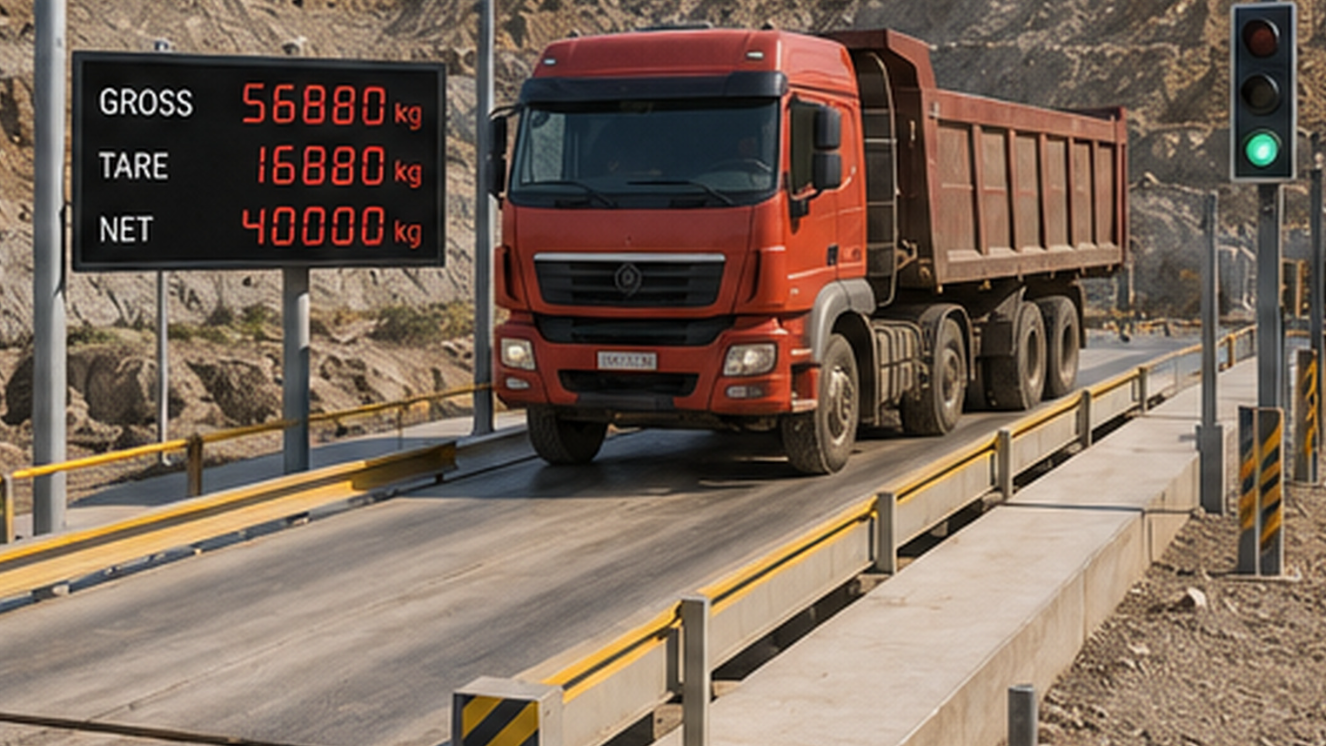
In mining, quarrying, aggregate production, and bulk material transportation, efficient material movement is a critical part of the overall production process. A loader may need to fill dozens or even hundreds of haul trucks every day, but simply knowing that “the trucks are moving” is not enough. Companies also need to know:
How much material is actually loaded on each truck? This is where Load and Haul Weighing Systems play an important role.
Load and haul weighing systems can measure, record, and manage material weight as it moves from the loading point to the destination. Depending on project requirements, these systems may include onboard weighing, loader weighing, haul truck payload monitoring, fixed truck scales, load cells, weighing indicators, and weighing management software.
The core objective is simple: measure every truckload more accurately and turn weight data into useful information for production management.
What Are Load and Haul Weighing Systems?
A typical load and haul process generally consists of three stages:
Loading → Hauling → Unloading
For example, in a quarry, a wheel loader loads crushed stone into a dump truck, which then transports the material to a crusher, stockpile, processing area, or customer loading point.
Weighing equipment can be installed at multiple points throughout this process. Common solutions include onboard loader weighing, haul truck payload measurement, portable axle weighing, fixed truck scales, load-cell-based measurement systems, and production weighing management software. These systems can either operate independently or be integrated into larger material handling and production management platforms.
Why Is Payload Control Important?
A truck being in operation does not necessarily mean that the hauling process is efficient. If vehicles are consistently underloaded, more trips are required to achieve the target tonnage.
Overloading can increase equipment operating hours, fuel consumption, tire wear, and cost per tonne. Long-term overloading can also place additional stress on the vehicle structure, increase braking distance, shorten vehicle service life, and create greater safety and compliance risks. Therefore, loading should not simply focus on carrying as much material as possible. The ideal condition is to: keep every haul cycle at a stable and appropriate payload. This is why payload monitoring has become an increasingly important part of modern mining and quarry transportation management.
Onboard Weighing During Loading
One common approach is to complete the weighing process directly during loading. Onboard weighing systems can be installed on wheel loaders, excavators, or other loading equipment to measure or estimate the weight of material being loaded into a truck.
This allows operators to see the current payload before the truck leaves the loading point. For example, if a haul truck has a target payload of 40 tonnes, the loader operator can use real-time weight information to reduce the risk of serious underloading or overloading.
Modern onboard weighing systems can also integrate GPS, production reports, wireless data communication, and equipment operating records. This allows managers not only to monitor the actual loading weight in real time, but also to obtain additional operational information such as: where the material was loaded, when it was loaded, and which machine completed the loading operation.
Haul Truck Weighing
In practical applications, weighing can be performed using vehicle-integrated load sensors, axle weighing equipment, fixed weighing stations, or truck scales. The most suitable solution depends mainly on the type of transport vehicle. For example, large off-highway mining dump trucks used in open-pit mines have significantly different weighing requirements from highway dump trucks used in quarries.
When selecting a weighing solution, factors such as maximum loaded vehicle weight, number of axles and axle spacing, required weighing accuracy, vehicle speed, road conditions, static or dynamic weighing mode, daily haul cycles, and operating environment should all be considered. Therefore, load and haul weighing systems should be selected according to actual transport conditions rather than simply choosing equipment with the highest weighing capacity.
The Role of Fixed Truck Scales
Onboard weighing is very effective for real-time payload control during loading, but many mining, quarrying, and bulk material handling projects still require a fixed truck scale or weighbridge.
A fixed truck scale provides an independent vehicle weight measurement at a defined weighing point.
A typical process is: Empty Truck → Loading → Loaded Truck → Gross Weight → Tare Weight → Net Weight
The calculation is: Net Weight = Gross Weight − Tare Weight
Mining companies, quarries, cement plants, and aggregate producers can use this weighing data for inventory management, supplier and customer settlement, production statistics, dispatch records, and transportation data management. Therefore, fixed truck scales can complement onboard weighing systems. Onboard weighing mainly controls payload during the loading process, while fixed truck scales provide formal weight records at receiving points, dispatch areas, or site entrances and exits.

Load Cells Are at the Core of the Weighing System
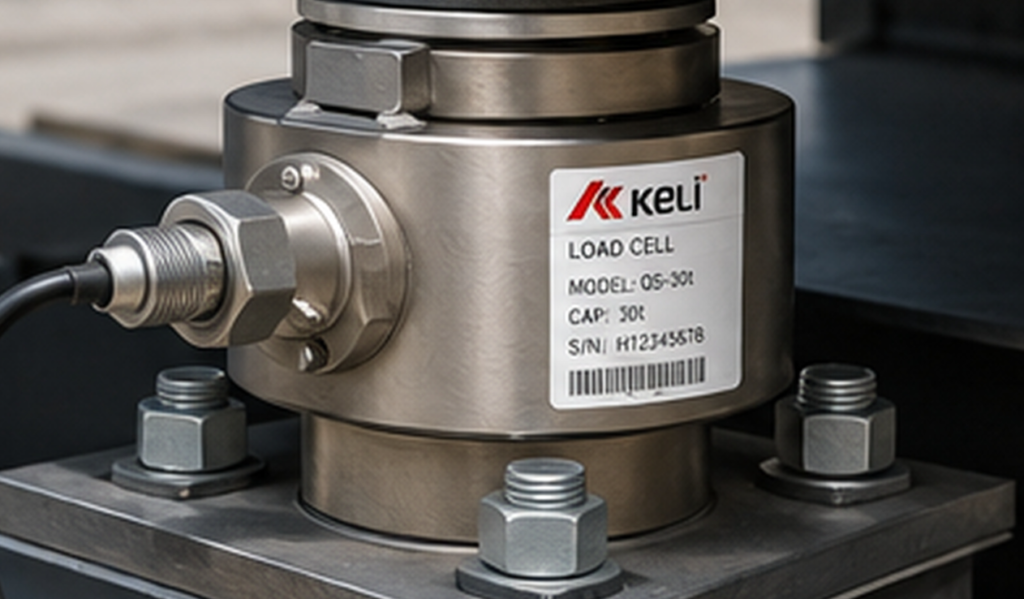
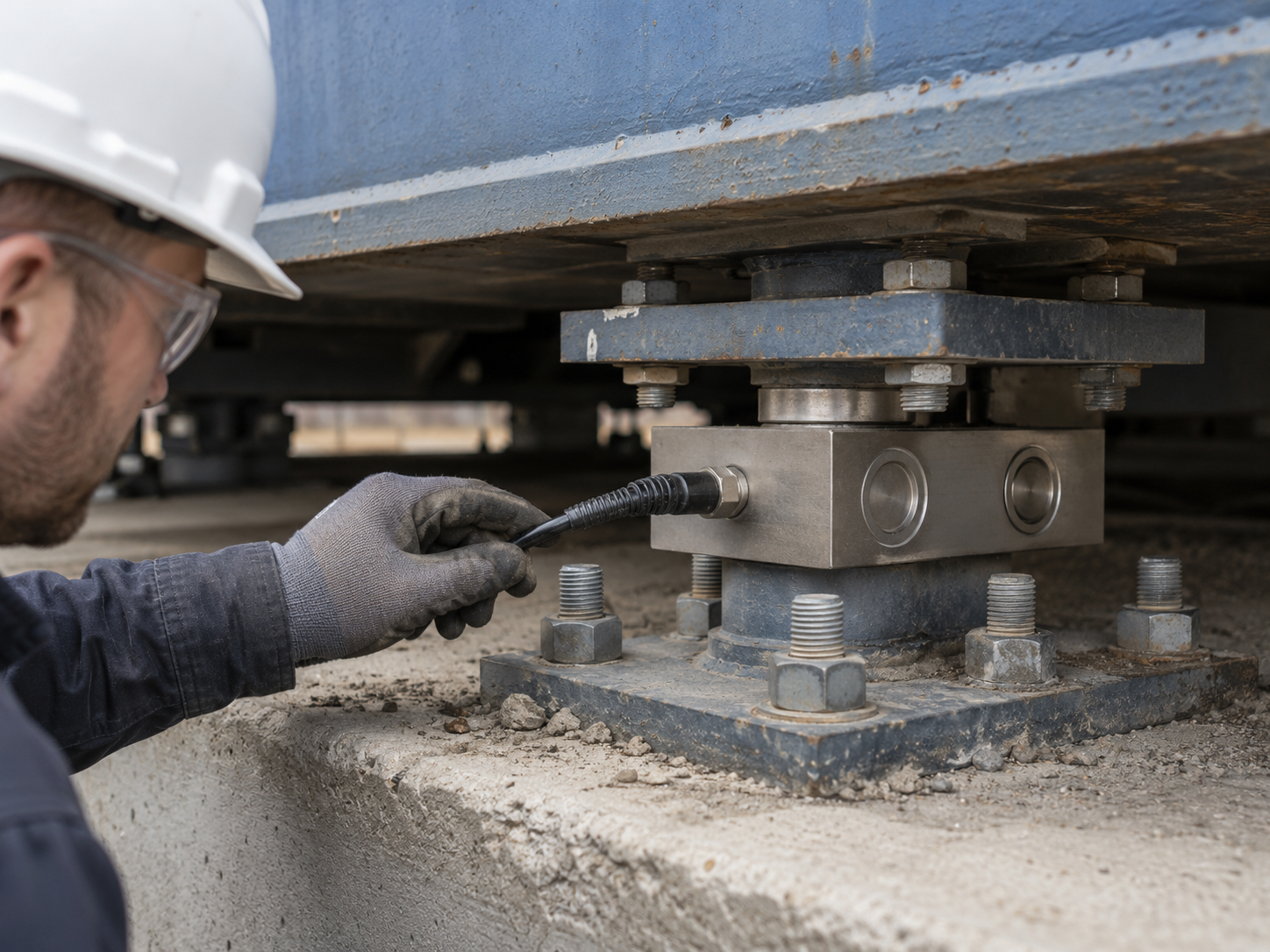
Whether the equipment is a truck scale, platform scale, axle scale, or another type of industrial weighing system, load cells are an important part of the measurement chain.
Load cells convert the mechanical force generated by vehicles or materials into electrical signals, which are then processed by weighing electronics.
The complete measurement process can be summarized as:
Vehicle / Material Load → Load Cell → Signal Processing → Weighing Indicator → Weighing Software
In demanding mining and quarry environments, load cell selection should not be based solely on nominal accuracy. Rated capacity, overload capability, temperature performance, sealing and protection level, long-term stability, vibration resistance, cable protection, and ease of maintenance should also be evaluated. Dust, mud, water, vibration, and frequent heavy loading can all directly affect the long-term performance of weighing equipment.
How Can Weight Data Be Converted Into Production Data?
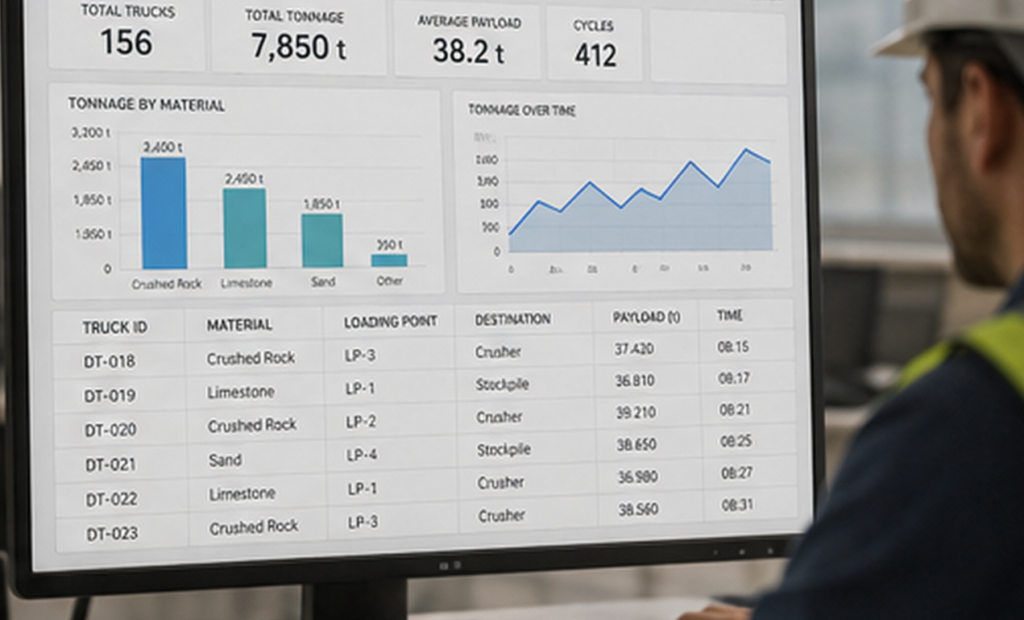
The value of modern load and haul weighing systems goes beyond simply displaying weight data. By linking weighing information with vehicle ID, material type, loading point, driver, date and time, origin and destination, gross/tare/net weight, haul cycle count, and daily tonnage, companies can create complete production records. This allows operators to move beyond simply knowing how many trucks were dispatched during the day and instead clearly understand the full data chain of truck trips → transported tonnage → material type → loading point → destination. This information can support production planning, inventory reconciliation, fleet efficiency analysis, cost-per-tonne calculation, and material flow management.
How Does KELISCALES Support Load and Haul Weighing?
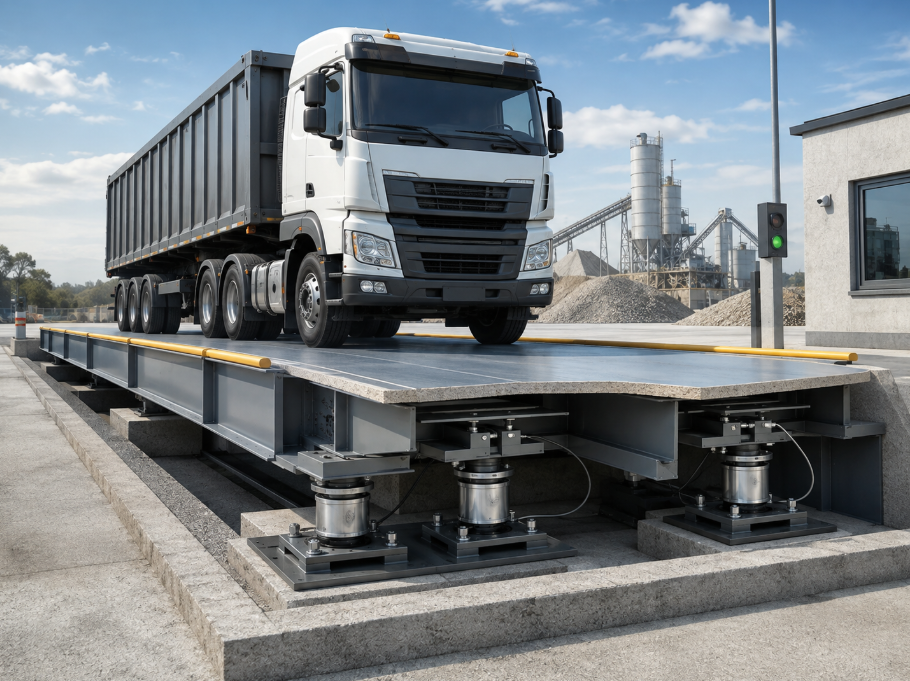
KELISCALES views industrial vehicle weighing as part of the complete material transportation and data management process. For fixed vehicle weighing applications, its Truck Scale / Weighbridge can integrate the weighing deck, load cells, weighing indicator, and weighing software into a complete vehicle weighing system.
In load and haul operations, the fixed weighbridge can serve as a key data control point for loaded vehicle verification, net weight calculation, production statistics, dispatch records, inventory reconciliation, and weighing data management. When combined with vehicle identification equipment and weighing software, it can establish a complete and traceable data relationship.
How to Choose a Load and Haul Weighing System?
Before selecting weighing equipment, the first step is to clearly understand how materials move through the site. Buyers should confirm the loading equipment, transport vehicle type, target payload, daily haul cycles, whether weighing is required during loading, whether a fixed truck scale is needed, the required weighing accuracy, whether the weight data is used for commercial settlement, and whether the system needs to connect with ERP or production management software.
Because there is no universal standard weighing configuration suitable for every mine or quarry, an effective solution is to deploy the right weighing technology at the most appropriate point in the material flow. For modern bulk material projects, the value of load and haul weighing systems is not limited to measuring tonnage. More importantly, they help companies manage material movement, data recording, and the entire production and transportation process.

Need customized model matching your production line, technical drawings and accurate quotation?
Submit your inquiry now, our engineering sales team will send full solution within 24 working hours.