China Conveyor Belt Scale Factory: What Should You Verify Before Ordering?
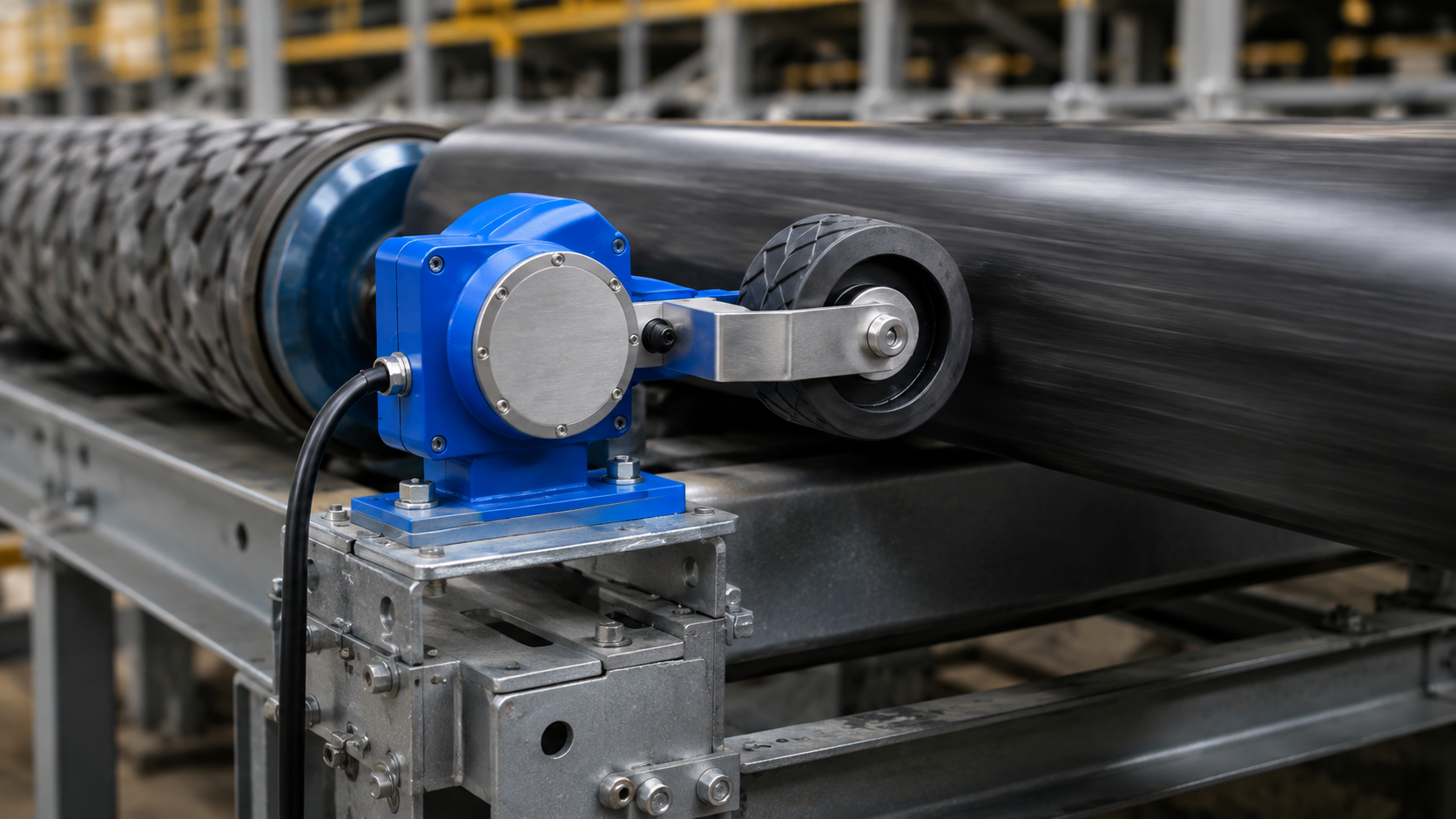
Belt scale speed sensor measuring actual conveyor belt travel with a contact measuring wheel

When purchasing a conveyor belt scale from China, many suppliers will tell you the same thing: “We are a factory.” But for international buyers, this statement alone is far from enough. A company may have its own workshop, but that does not necessarily mean it has complete manufacturing capability. Some suppliers mainly assemble purchased components, while … Read more
China Conveyor Belt Scale Manufacturer: How to Choose a Reliable Supplier

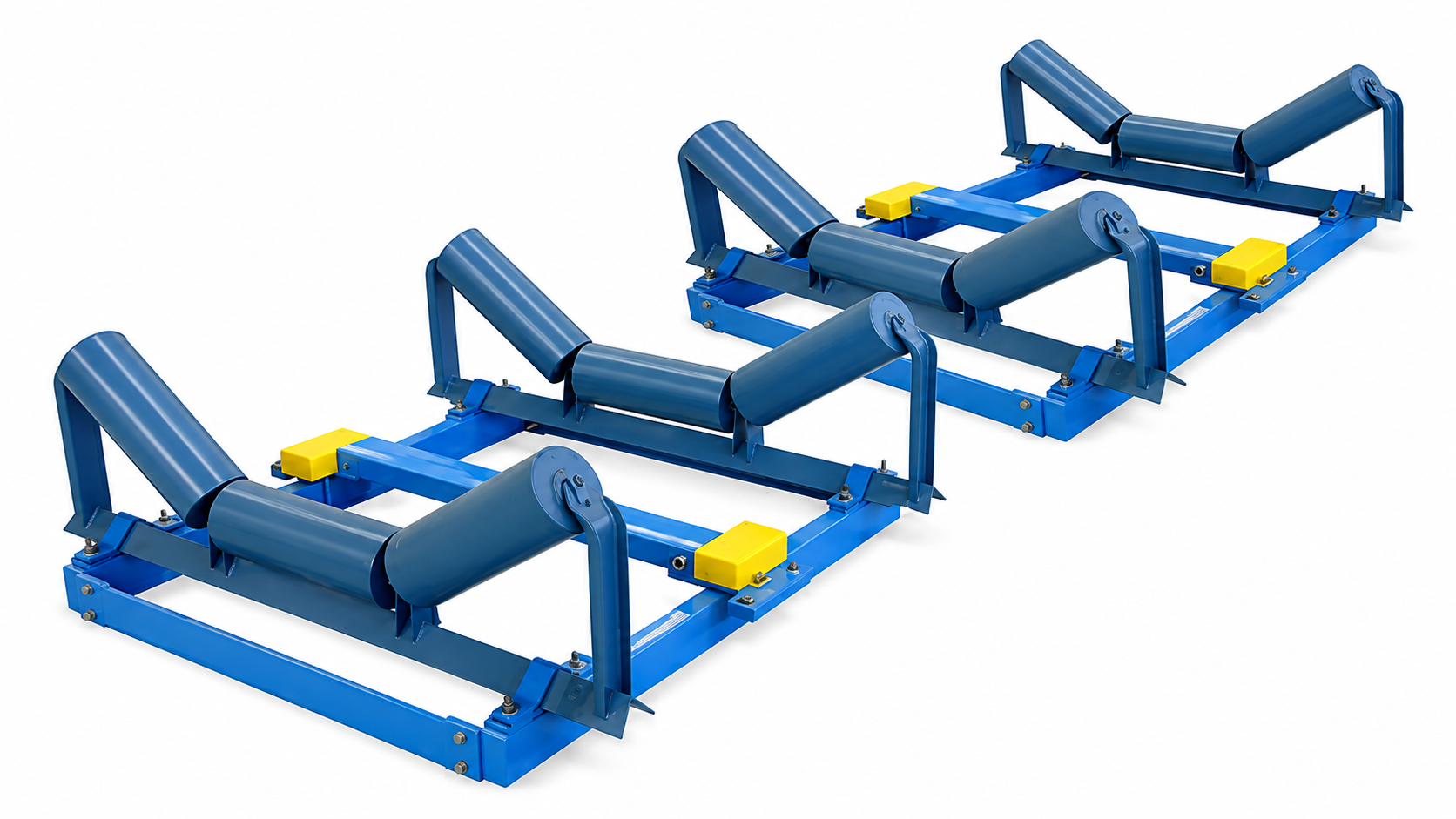
Belt Scale

When purchasing a conveyor belt scale from China, price is usually one of the first factors buyers compare. However, for mines, cement plants, quarries, power plants, grain terminals, and various bulk material conveying systems, conveyor belt scales often need to operate continuously for long periods. Therefore, the lowest price is usually not the most important … Read more

Load and Haul Weighing Systems: Improving Payload Control in Mining and Quarry Operations

In mining, quarrying, aggregate production, and bulk material transportation, efficient material movement is a critical part of the overall production process. A loader may need to fill dozens or even hundreds of haul trucks every day, but simply knowing that “the trucks are moving” is not enough. Companies also need to know: How much material … Read more

How to Choose a Truck Scale Manufacturer: Technology, Load Cells, Certification and Total Cost

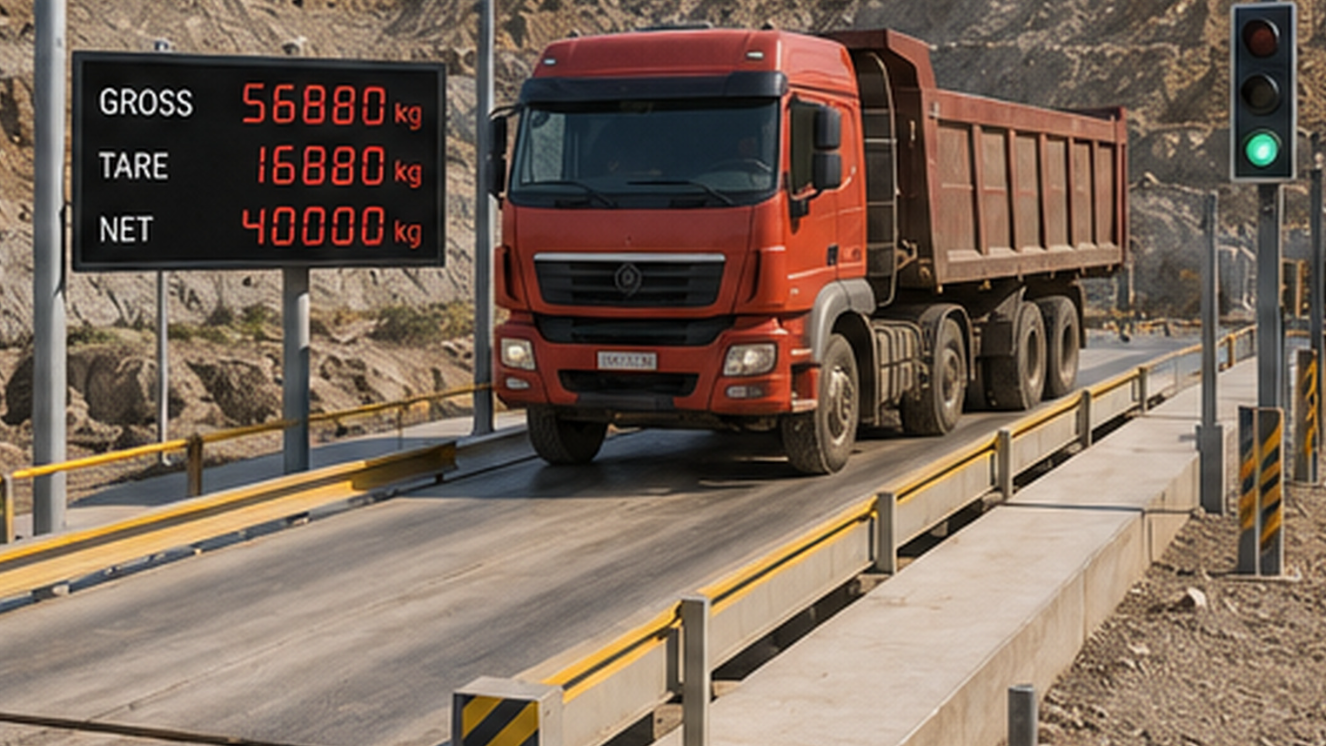
truck scale

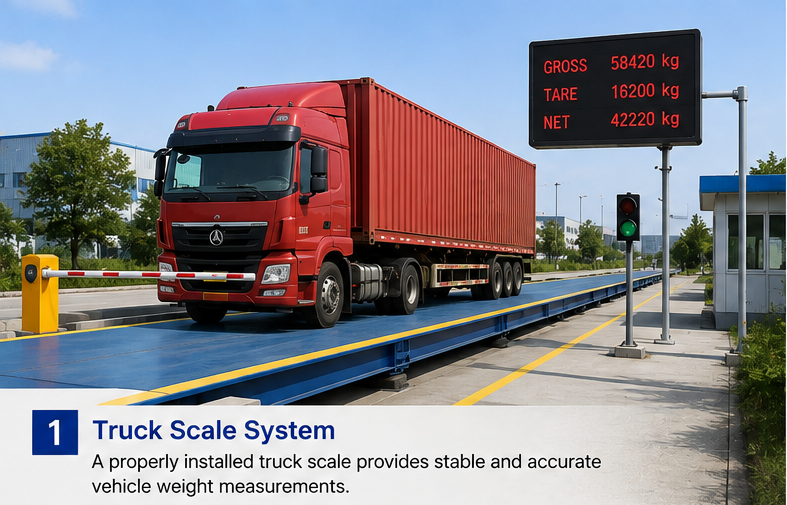
Choosing a truck scale manufacturer is not the same as purchasing ordinary industrial equipment. A truck scale is often expected to remain in service for many years and may process hundreds of vehicle weighings every day. Once the foundation is completed and the equipment is installed, correcting an unsuitable deck structure, load cell configuration, or weighing … Read more

Truck Scale Technology for Mining, Cement and Bulk Material Handling

truck scale

A truck scale used in a warehouse may only need to weigh a small number of vehicles each day, while a truck scale installed at a mine, cement plant, or quarry operates under completely different conditions. These industrial sites often involve heavy-duty vehicles, abrasive bulk materials, large amounts of dust, outdoor exposure, continuous traffic, and … Read more

Truck Scale Accuracy Explained: Load Cells, Calibration, Standards and Weighing Technology

truck scale

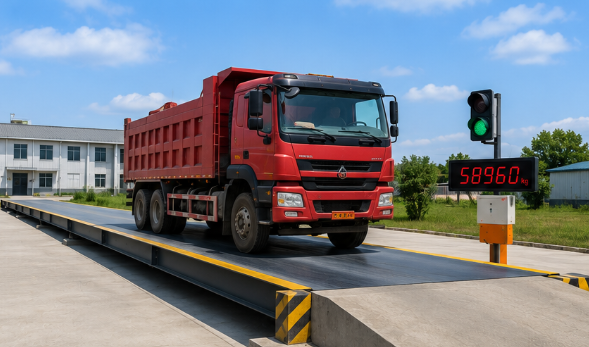
When a truck carries tens of thousands of kilograms of material, even a seemingly small weighing error can affect inventory records, freight calculations, purchasing settlements, sales settlements, and commercial transaction data. As a result, industrial buyers often ask one important question: How accurate is a truck scale? There is no single percentage that applies to … Read more

Truck Scale Load Cells Explained: How Keli Sensor Technology Affects Weighbridge Accuracy

Automotive weighbridge load cell

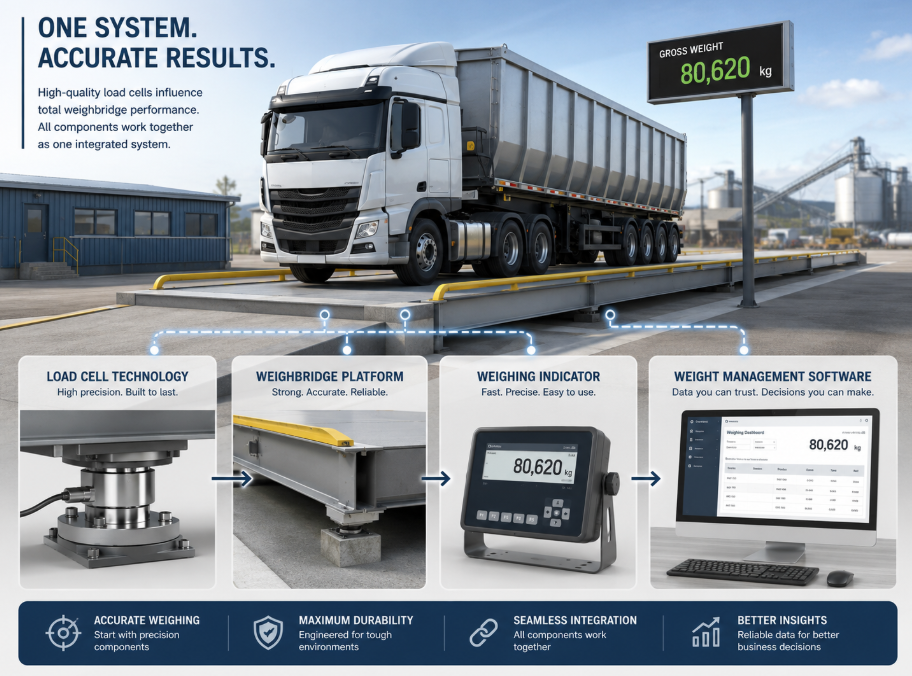
When a fully loaded truck drives onto a truck scale, the most noticeable component is usually the large steel weighing platform. However, the core components that actually perform the weight measurement are installed beneath the deck. These components are the truck scale load cells. Load cells receive the vehicle weight transferred through the weighing platform, … Read more

How to Purchase a Weighbridge: A Practical Procurement Guide

truck scale

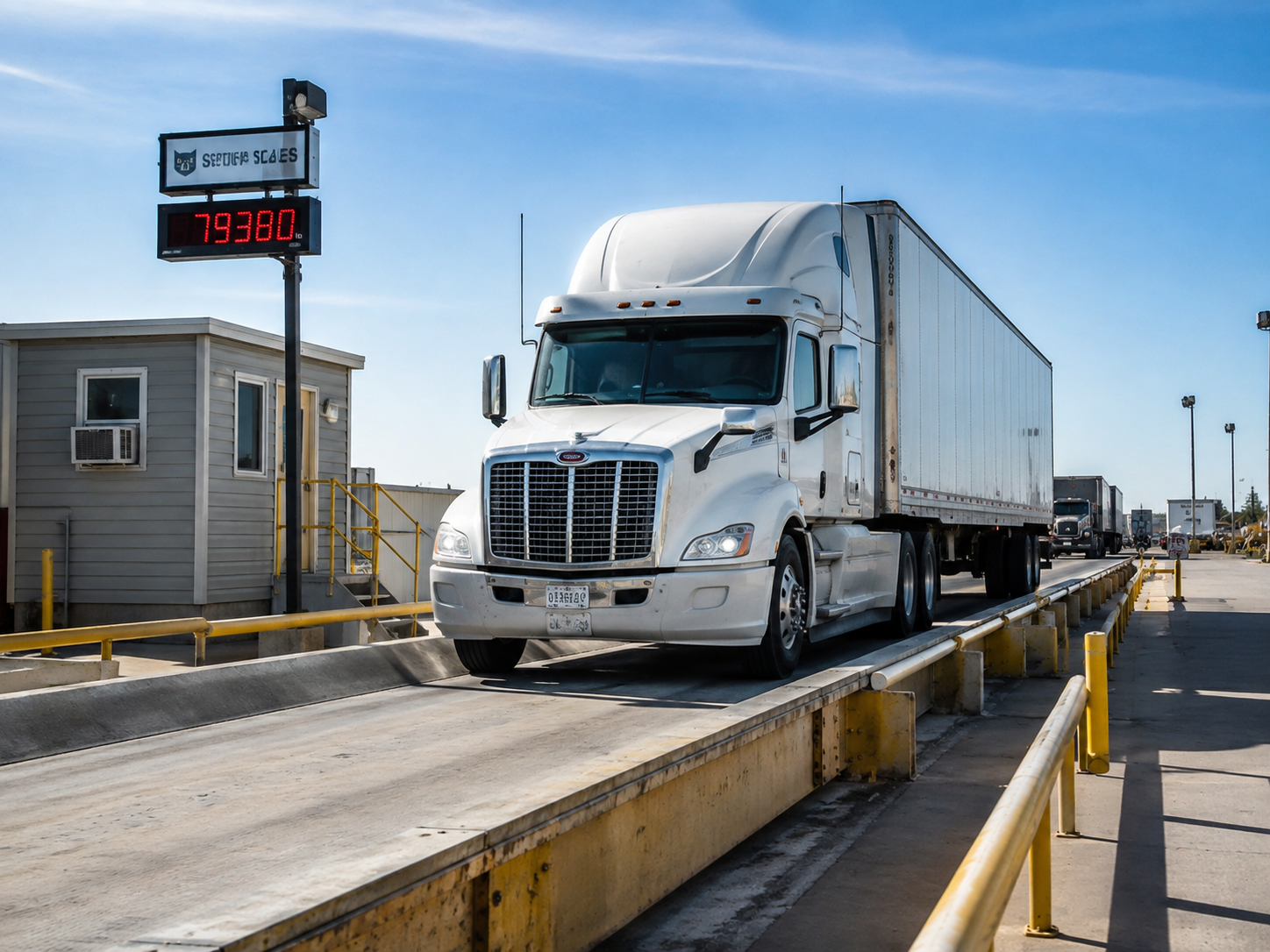
Buying a truck scale is not simply about finding the lowest price. A truck scale may be used every day for receiving raw materials, shipping finished products, inventory management, and commercial transactions. If the capacity, platform size, or installation method is not selected properly, additional modification and maintenance costs may arise later. If you are … Read more

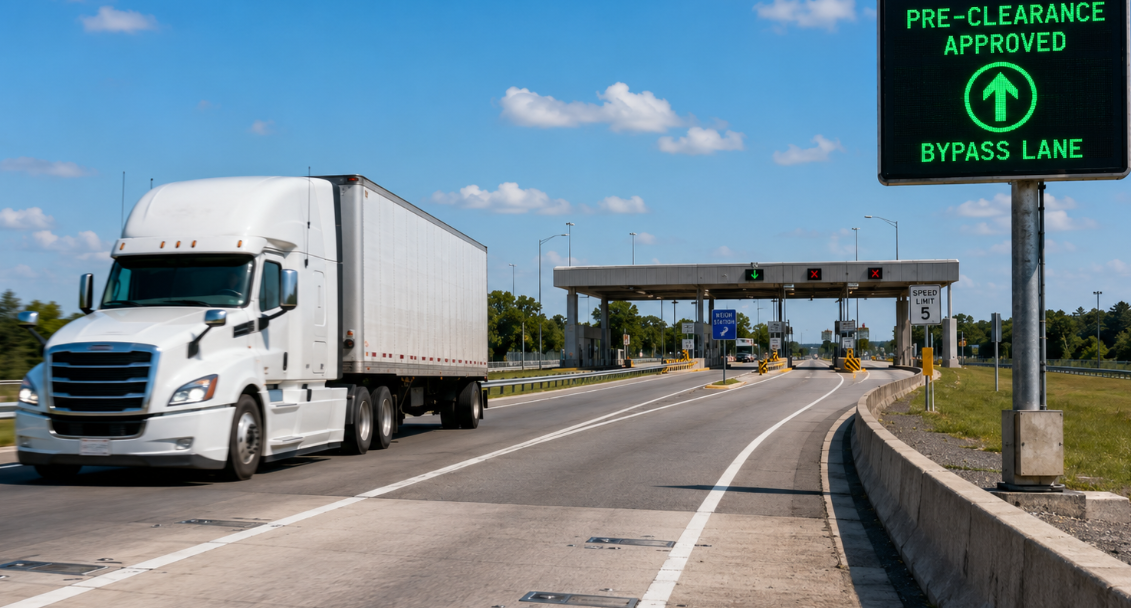
Do DOT Trucks Have to Stop at Weigh Stations? Complete Compliance Rules for 2026

Many new truck drivers and fleet operators have the same question: Do DOT-regulated trucks have to stop at weigh stations for weighing? The answer is clear: Yes, in most cases. Most DOT-compliant commercial trucks with a Gross Vehicle Weight Rating (GVWR) over 10,000 pounds must enter open highway weigh stations for weight checks and inspections. Whether a … Read more