
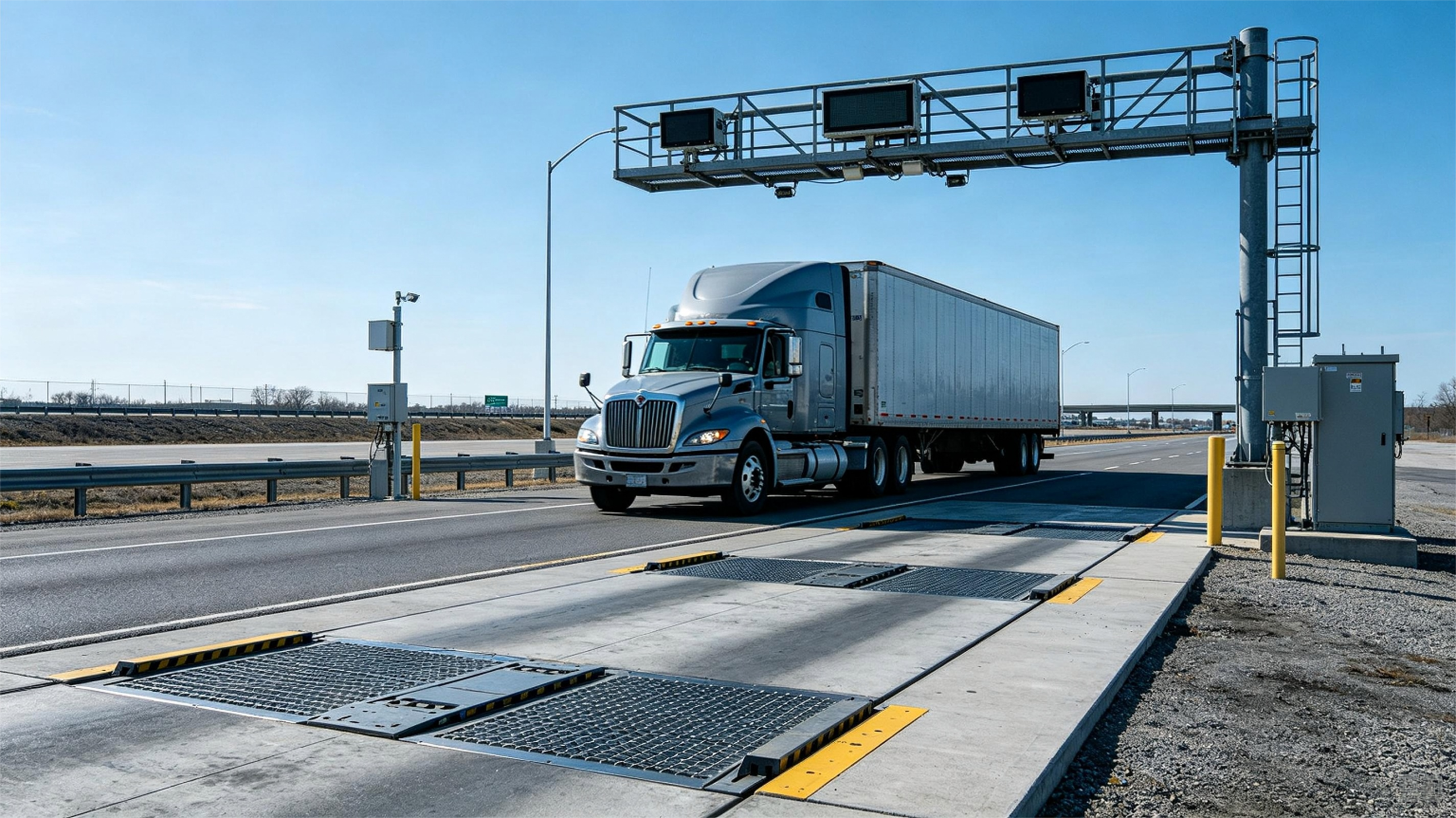
A truck scale plays an important role in industries such as logistics, manufacturing, mining, agriculture, and bulk material handling.
After long-term operation, even a reliable weighing system may develop small measurement errors due to:
- Heavy truck traffic
- Temperature changes
- Load cell aging
- Cable problems
- Dirt or debris around the platform
When a truck scale is not accurate, the impact can go beyond incorrect weight readings. It may affect:
- Freight settlement
- Material inventory
- Customer transactions
- Vehicle load management
Regular calibration helps ensure that the displayed weight matches the actual vehicle weight.
1. What Does Truck Scale Calibration Mean?
Truck scale calibration means adjusting the weighing system so that the displayed weight matches a known reference weight.
A complete truck scale system usually includes:
- Weighbridge platform
- Load cells
- Junction box
- Weight indicator
Calibration is not simply pressing the zero button.
A proper calibration requires checking the whole weighing system and confirming that the measured value is accurate.
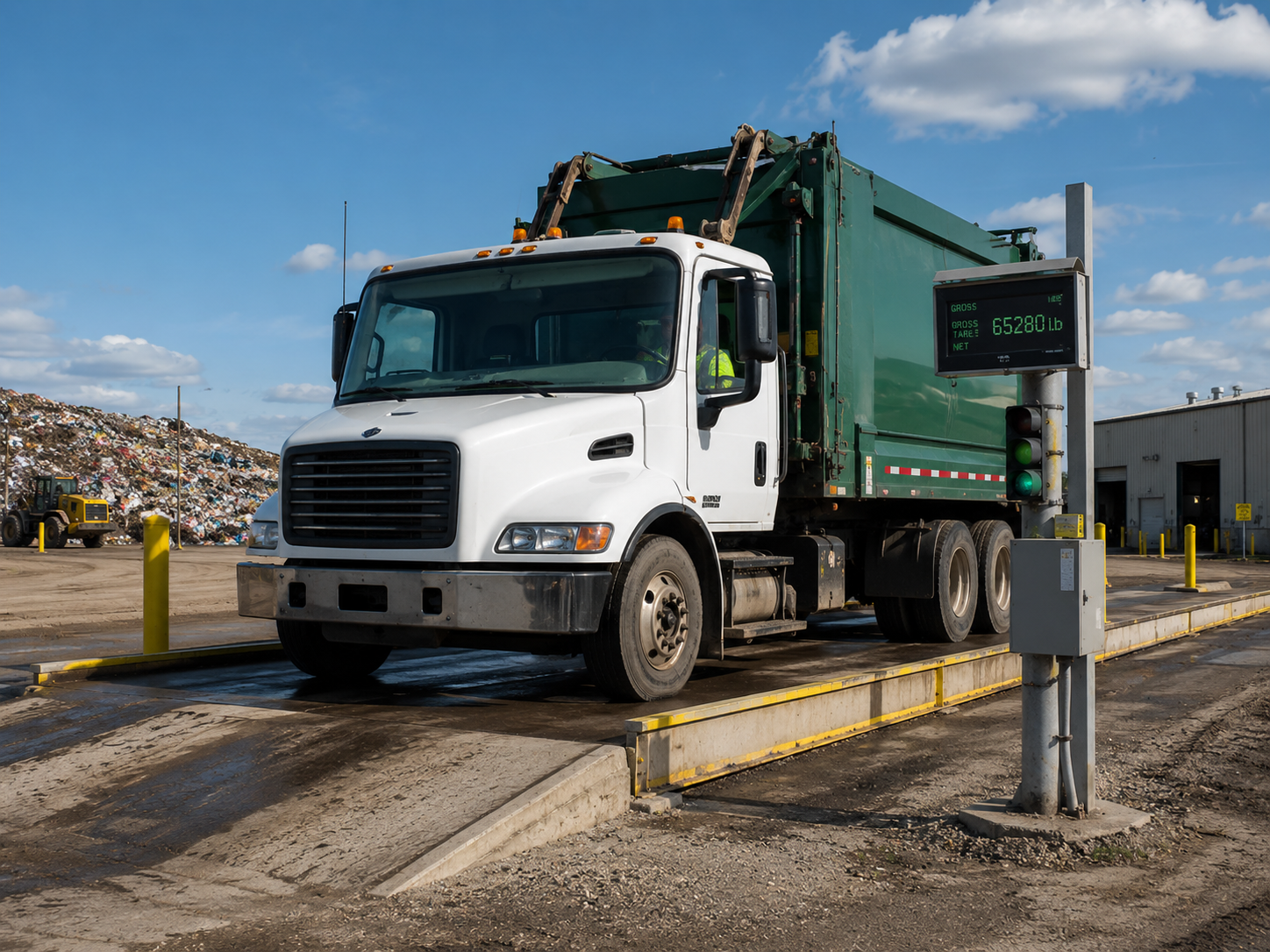
2. Why Does a Truck Scale Need Calibration?
For companies that purchase or sell materials by weight, even a small measurement error can create financial losses over time.
For example, a truck scale used for thousands of tons of materials every month must maintain stable accuracy.
Accurate weighing helps operators confirm whether trucks are loaded correctly and reduces the risk of overweight transportation.
Regular calibration can also help identify early problems with:
- Wiring
- Mechanical components
3. How to Calibrate a Truck Scale Step by Step?
Check the Scale Before Calibration
Before changing calibration parameters, technicians should first check the physical condition of the scale.
Important checks include:
- Clean the weighbridge surface
- Remove dirt or debris around the platform
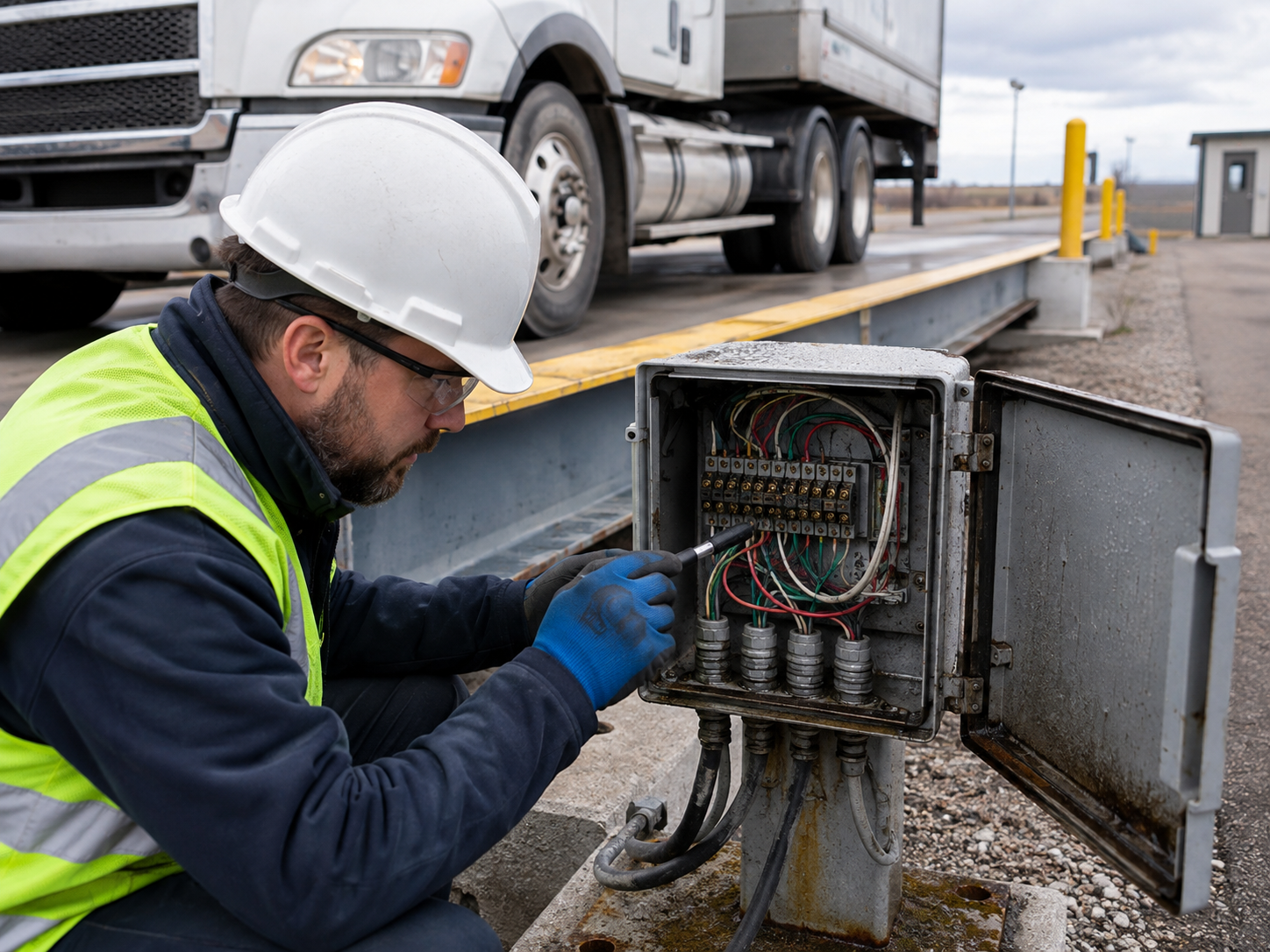
- Check load cell connections
- Inspect cables and junction box
A mechanical problem cannot be solved only through calibration.
Perform Zero Calibration
Zero calibration establishes the reference point when the scale is empty.
Basic process:
- Remove all weight from the platform.
- Confirm the scale is empty.
- Set the correct zero value.
After calibration, the scale should return to zero when no vehicle is on the platform.
Perform Span Calibration
Span calibration adjusts the relationship between actual weight and displayed weight.
Technicians normally use:
- Certified test weights
- Vehicles with known weight
Example:
Actual weight: 20,000 kg
Displayed weight: 19,850 kg
The system should be adjusted until the displayed value matches the actual weight.
Check Weight Distribution
For large truck scales, technicians may also check whether different areas of the platform provide consistent readings.
If one area shows a different value, possible causes include:
- Uneven load cell output
- Junction box adjustment problems
- Installation issues
4. Common Truck Scale Calibration Problems
One common problem is that the truck scale does not return to zero after the vehicle leaves the platform.
Possible causes include:
- Dirt or debris under the weighbridge
- Mechanical contact between platform and structure
- Load cell problems
Before recalibration, technicians should check the physical condition of the scale first.
If the same truck produces different weight readings under similar conditions, the problem may come from:
- Load cell signal instability
- Cable damage
- Moisture inside electrical components
Checking the complete weighing system is usually more effective than adjusting the indicator only.
When the scale consistently shows incorrect values, the calibration parameters may have changed.
A technician may need to perform:
- Zero calibration
- Span calibration
- Weight verification
to restore accurate readings.
5. Real Example
A logistics company noticed that the same loaded trucks showed different weight results during daily operations.
The difference was around several hundred kilograms per vehicle.
The initial inspection found:
- The indicator was working normally
- The platform was clean
- No obvious mechanical damage was found
Further inspection showed that the weighing system had signal imbalance.
The maintenance team performed:
- Load cell inspection
- Zero calibration
- Span calibration
- Final weight testing
After adjustment, the truck scale returned to stable operation.
This case shows that calibration is not only about changing display settings. The complete weighing system needs to be checked.
6. How Often Should a Truck Scale Be Calibrated?
The calibration frequency depends on:
- Usage frequency
- Working environment
- Accuracy requirements
- Local regulations
7. Truck Scale Calibration Checklist
Before completing calibration, technicians should confirm:
- Weighbridge platform is clean
- Scale returns to zero correctly
- Test weight matches displayed value
- Load cells work properly
- Weight readings are stable
8. Choosing a Reliable Truck Weighing System
Calibration becomes easier when the weighing system is designed with reliability and maintenance in mind.
Important factors include:
- High-quality load cells
- Stable weighing indicators
- Protection against dust and moisture
- Easy maintenance access
- Reliable data management
For companies that need complete weighing solutions, choosing the right system at the beginning can reduce future maintenance problems.
9. Conclusion
A properly calibrated truck scale provides reliable weight data for logistics, manufacturing, and industrial operations.
The basic calibration process includes:
- Checking the scale condition
- Zero calibration
- Span calibration
- Accuracy verification
Regular calibration helps reduce weighing errors, improve operational efficiency, and maintain reliable business transactions.
Keli Scales provides truck scale systems, load cells, weighing indicators, and industrial weighing solutions for different applications.
Whether you need to improve the accuracy of an existing truck scale or select a new weighing system, our team can provide a suitable solution based on your operating requirements.

Need customized model matching your production line, technical drawings and accurate quotation?
Submit your inquiry now, our engineering sales team will send full solution within 24 working hours.